19/06/2026 General News
For many people, commissioning a house clearance is about convenience, seen as a process which is first and foremost about resulting in an empty property which can be sold, writes Tim Blyth.
Unfortunately, too often this approach results in owners missing out on the true value of the property’s contents, not to mention items which may have been lovingly collected by the late owner being consigned to the skip rather than finding new, appreciative owners.
In recent years we have a number of cases which demonstrate how easily this can happen (and be prevented). I remember during one house clearance, we identified a piece of wood which to the untrained eye would perhaps be regarded as something for the fire. However, one of our specialists immediately recognised that it was a hardwood club of tribal and ethnographical interest – possibly an Aboriginal nulla-nulla. It sold for £1,100 (predictably, to a private collector in Australia, bidding live online).
Another time we were very excited to find a stunning late 19th century Indian silver rose or punch bowl, which we quickly identified as having been made by Oomersi Mawji & Sons.
Mawsi was one of the most celebrated Indian silversmiths of all time. The son of a cobbler, he was born in Gujarat and started his career specialising in leather engravings. By the 1860s he was court silversmith to the Maharaos of Kutch and the Maharajas of Baroda, and with his sons, he was soon selling pieces overseas via branches of the business in Calcutta and Bombay.
After a frenzied bidding battle, the hammer fell at £18,400. Had the executor not consulted us and benefitted from our expertise, it is quite likely that the item would have sold for its intrinsic metal value, which would have been considerably less.
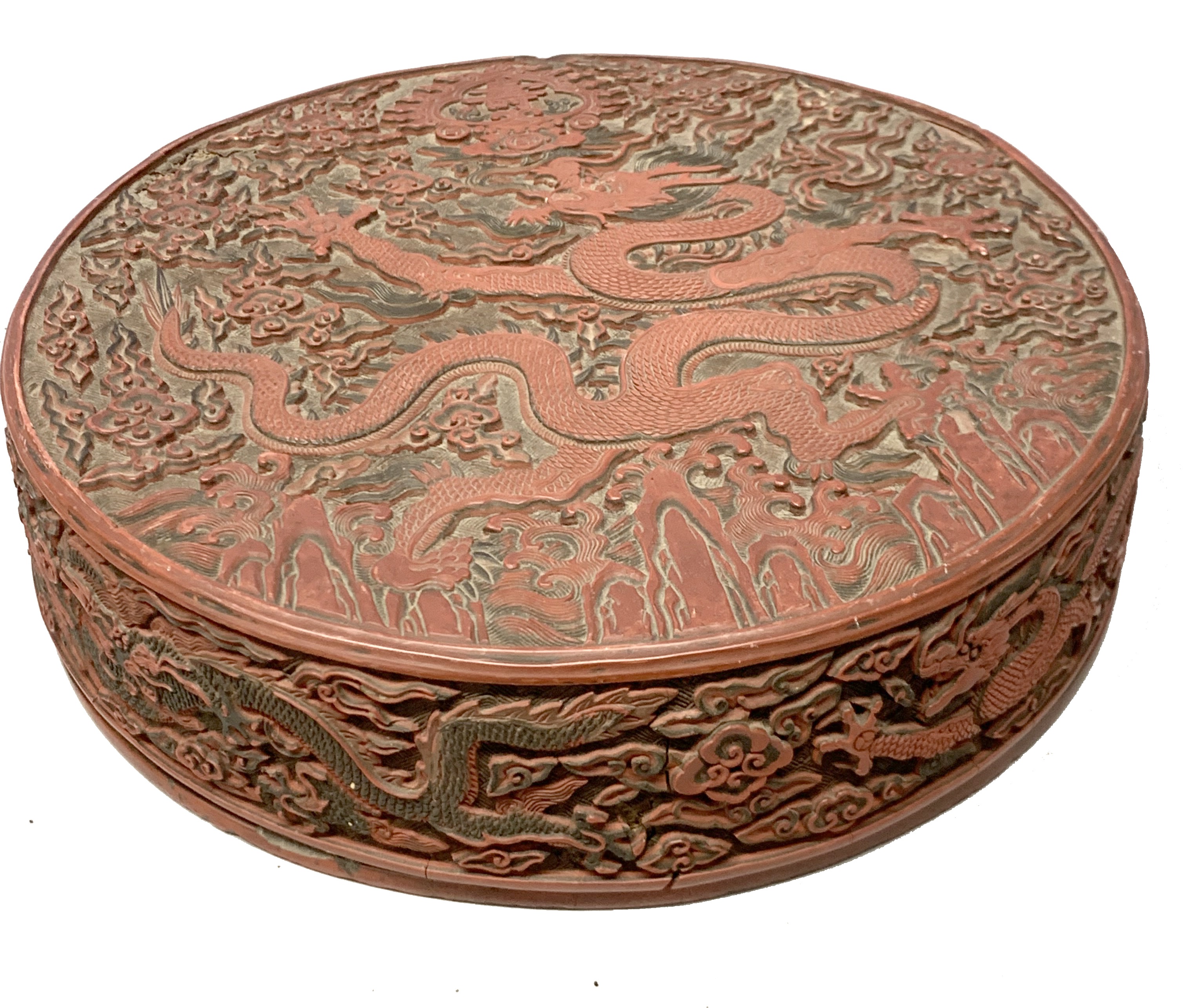
Another famous example involved a house clearance for a lady who was going into care and seeking to sell her possessions to pay her care home costs. She had what she believed was a biscuit tin, so she was rather shocked when we told her it was in fact a Chinese lacquered box which could make a tidy sum at auction – she had been told it was not worth more than about £50.
With expert online marketing to a burgeoning Chinese market, we were able to create a competitive bidding environment which surpassed even our own expectations. When the dust finally settled, it had sold for £63,000.
Of course, not every consignment or property clearance will include such gems. But the point is, if you don’t allow genuine experts to take a look, you will never know, and the chances of missing out are that much higher.
I remember attending a small terraced property, which was being cleared by non-local family members and where the first impressions were not promising. At first sight, the house looked to be literally full of rubbish; the untrained eye would be ordering a skip within minutes. And yet it soon became clear that there was more to it than the first impression suggested; in total, items found in that house made over £20,000 at auction.
Spotting items of value requires a range of expertise, whether that is in pictures, jewellery, furniture, or indeed Aboriginal art, and realising the full value of those items on the open market is (in my opinion) best undertaken by offering at auction with a professional auction house which can offer the items in the correct sale, to the right market.
Our specialist knowledge is always available, without obligation, at the end of a phone, an email, or via a home visit. It seems a shame to miss out.
Keys runs a regular programme of valuation days around Norfolk, and provides free, no-obligation valuations at its Aylsham salerooms. The firm also conducts house visits to appraise contents. For more details visit www.keysauctions.co.uk/services.