17/01/2026 General News
There are those who say that when it comes to items made from gold and silver, their value in the saleroom is dictated by the fact that they are made of precious metal, rather than their appeal to collectors, writes Nigel Ducker.
It is certainly true that at times of global uncertainty (such as we are living through right now), people do tend to divert their money into ‘safe’ investments like gold and silver. But when it comes to appraising items headed for the saleroom, those who take that view are at risk of significantly undervaluing those pieces - because for many collectors, the price they are prepared to pay far outstrips the items’ intrinsic metal value.
The price of gold is much more volatile than that of silver. Its value tends to shoot up at times of crisis, and come down equally precipitously when the world judges that life has become more stable. Silver does follow that trajectory to an extent, but the effect is not so immediate, and tends to be much more muted.
Nevertheless, earlier this week silver was trading as a commodity at well in excess of £2,000 a kilo, an all-time high. Even so, the best silver pieces can still make several times their intrinsic value at auction.
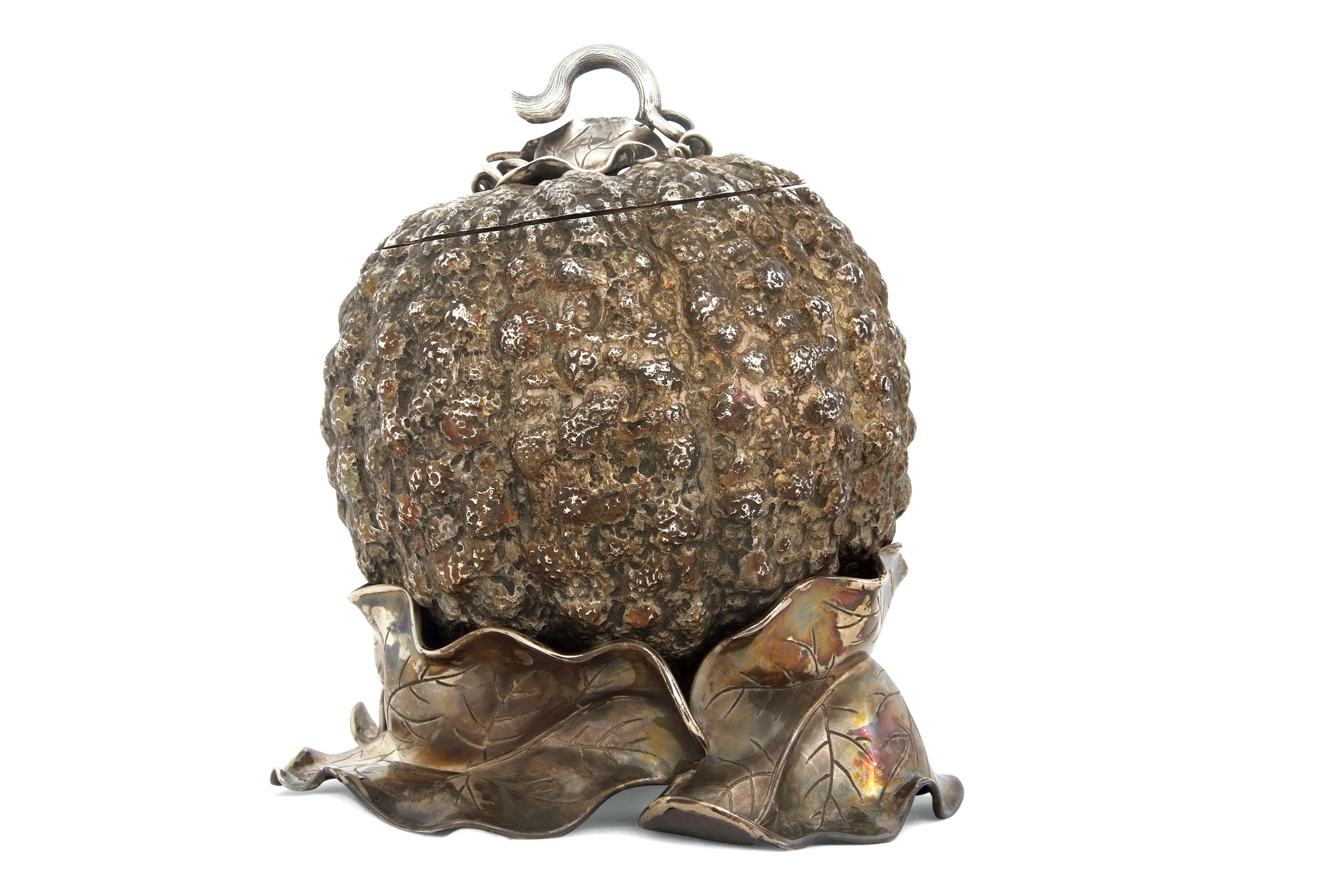
A key factor that collectors will take into account is the skill of the silversmith. Across the centuries, various makers have reached revered status, and their works are highly sought after in the saleroom. Before mass production, silversmiths relied on hand tools and traditional techniques such as hand-chased decoration, repoussé work and carefully applied engraving, which resulted in pieces with individual character reflecting the skills of the silversmith.
Styles evolved across the centuries. Georgian silver is characterised by restrained elegance and classical influences; Victorian silver frequently features elaborate ornamentation and bold forms; while Art Nouveau and Art Deco silver tend towards more fluid lines and geometric modernity.
One of the earliest famous silversmiths was Paul de Lamerie (1688-1751), described by the Victoria and Albert Museum as ‘the greatest silversmith working in the 18th century’. In his lifetime he was known as ‘The King’s Silversmith’, and other customers included Russian tsarinas, King John V of Portugal and even Norfolk’s own Sir Robert Walpole.
The 19th century saw the rise of Paul Storr (1770-1844), who worked in both gold and silver. His pieces adorned (and still adorn) royal palaces throughout Europe. One of his most famous works was an ornate silver cup made for Lord Nelson to celebrate his victory at the Battle of the Nile. A couple of years ago a four piece tea and coffee set by Storr sold at Keys for £3,000.
Two British silversmiths who lived into the 20th century were Omar Ramsden (1873-1939) and Archibald Knox (1864-1933). Both embraced the Arts & Crafts design movement, with Knox progressing through the Celtic Revival to Art Nouveau, producing more than 400 designs for Liberty of London.
Whilst works by the great silversmiths may be relatively easy to pick out, other collectable silver items require a deeper knowledge of what makes collectors tick.
It's easy to weigh a piece of silver and find its basic metal value; spotting those pieces whose origins and rarity will elevate their prices way beyond this intrinsic value is where genuine expertise and experience are required.