01/01/2026 General News
Every month magazines include many pages outlining the latest fashion trends in clothes – but we should never forget that most aspects of our lives are subject to shifting tastes, and the auction room is not immune from this, writes Tim Blyth. Understanding what bidders are likely to get excited about is a big part of our profession. So what is likely to be hot in 2026?
Of course, some things never change: quality and condition are two things which are a constant, whatever the vicissitudes of fluctuating fashions. But for the coming year I would add an important extra word: relevance. Collectors are increasingly looking for items which will fit in with their lifestyles and their homes.
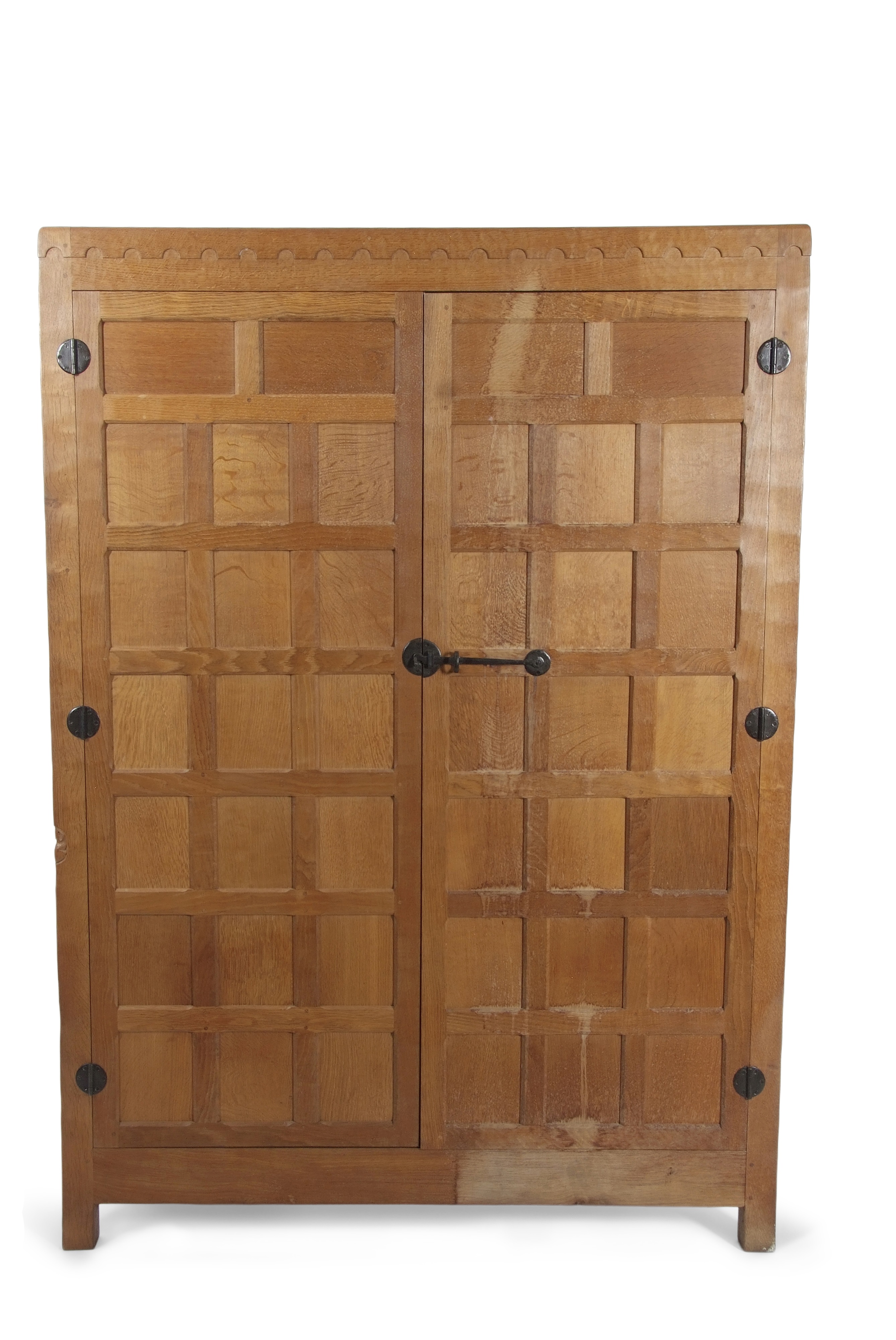
You see this particularly with furniture. After many years in which the furniture market was in the doldrums, it has experienced something of a resurgence in recent times, but with one caveat – buyers want pieces which in with their 21st century homes. That means furniture on a manageable scale (space is at a premium in many modern homes), and which will dovetail with the existing contents.
Hence Georgian furniture, which tends to be of more delicate design and modest size, is enjoying a boom in demand, as are mid 20th century pieces, especially from Scandinavian designers. As for materials, oak is very much in vogue, reflecting the market for brand-new furniture.
In ceramics and glass, the big names continue to dominate the market, with Lalique and Galle in glassware and the major European manufacturers such as Meissen also in demand. The closure of the Moorcroft factory in May 2025 has led to a spike in prices; we now learn that the brand is to be resurrected, so it will be interesting to see what effect that has on the market in 2026.
Very strong base metal values have pushed prices up in the jewellery and silver markets, but we are also seeing individual buyers (as opposed to traders) increasingly turning to auctions to source pieces, perhaps due to soaring mark-ups in the High Street. These buyers are of course looking for quality, but also a more subjective aesthetic value, with late 19th century jewellery and Scandinavian enamel both sought after. We are also seeing strong demand for vintage wristwatches from the 1940s to the 1970s, as well as Victorian pocket watches.
When it comes to art, we are seeing a new, younger cohort of buyers who are most interested in modern and contemporary art. These bidders are more selective, and tend to buy what they like, rather than seeking out the big names. That said, there is continued strong demand for well-known East Anglian artists, from Edward Seago to Tessa Newcombe.
The definition of an antique is, of course, fluid, and nowhere is this more evident than in the vintage toy and popular culture markets. Here nostalgia is king: today’s buyers are seeking the things they valued when they were young (such as first-edition Pokémon cards) – again demonstrating that relevance theme.
Achieving the maximum value for vendors requires a deep understanding of this fluctuating market, and it also needs specialist experts. When choosing an auction house, be sure to ask about the experience of the in-house team; as well as a broad knowledge, they need to have their finger on the pulse.