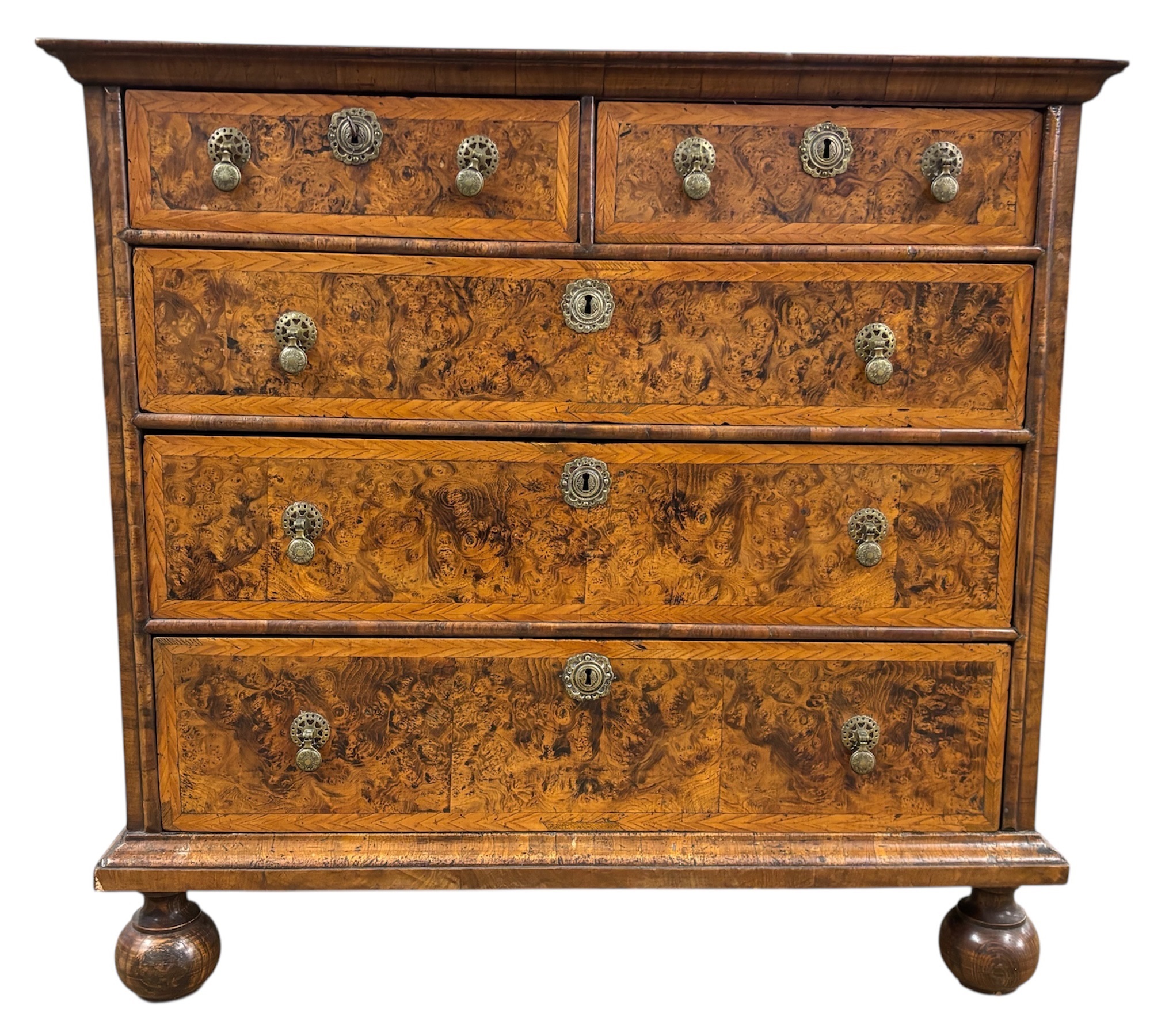
27/02/2026 General News
I was struck by a newspaper article the other day celebrating the Ikea BILLY bookcase, launched onto the market nearly half a century ago in 1979, writes henry Hammond. Over 140 million have been sold over those 47 years; it is estimated that the company sells another one every five seconds.
It is a simple, functional piece of furniture, and has been a huge sales success. But in a world in which people are increasingly seeking to be more individualistic, filling your house with the same furniture as 50% of the rest of the population isn’t going to cut it.
When it comes to furniture, we are starting to see something of a backlash against homogenous design; instead, people are seeking the unique, the one-off piece. And in a retail environment where economies of scale mean greater profit, finding these individual pieces is becoming increasingly difficult on the High Street, unless you are prepared to commission bespoke furniture and pay the eye-watering prices that entails.
This is one of the main reasons that the market for antique furniture has seen a real resurgence in recent years, after some considerable time in the doldrums.
Whilst nobody could argue that the BILLY bookcase doesn’t represent value in a cost-conscious world, I rather doubt that in 200 years we will be seeing many examples going under the hammer in auction houses.
Much of today’s furniture is made to a price, and therefore almost inevitably has a limited lifespan. By contrast, pieces which have lasted over the centuries were necessarily well-made in the first place, probably built by talented craftsmen, and certainly without the corner-cutting mass production which is all too common with modern furniture.
There is a third reason why antique furniture is very much back in fashion: sustainability. One landmark report a few years ago found that a newly-manufactured chest of drawers would contribute a staggering 16 times more carbon than an equivalent 200 year-old model, even taking into account restoration work undertaken during its life.
In a world in which we care about the impact of everything we do on the planet, the antique piece wins every time. It is one of the reasons that we have seen a new, younger set of buyers coming to the saleroom in search of furniture for their homes.
At Keys, furniture goes under the hammer every week of the year. Our weekly sales are mostly about recycling and upcycling more modern pieces. Our monthly Antiques, Picture and Collectibles Sales always have a large furniture section – our February sale, which took place last Saturday, had 113 such lots, from Victorian burr walnut to Georgian oak, 18th century mahogany to Art Deco display cabinets.
We save the very best pieces for our thrice-yearly Fine Sales; the first one of 2026 takes place on 25th and 26th March. There is still (just) time to consign items for this sale – do please get in touch if you have a piece you would like to have assessed.
So what types and eras of furniture are most in demand? As our catalogues show, the answer is quite a wide variety, but there are some common factors which are sure to get bidders excited.
The first is whether the piece fits in with today’s design language. This is of course subjective, but as a rule modern homes are smaller than those built in the past, so huge, monumental pieces which need plenty of space will attract fewer buyers, whereas smaller pieces – in particular from the Georgian era – tend to do well.
The choice of material is also important. Woods such as walnut and elm are much in demand, combining as they do combine a very beautiful, fine finish with a lightness which is very much in keeping with the contemporary design idiom. Antique oak is also sought-after (reflecting a trend in modern furniture), including sturdy refectory tables, often bought for larger kitchens, as well as smaller, more functional pieces. The rustic farmhouse look is very popular as well.
Moving into the 20th century, the Art Deco and mid-century periods are at the height of fashion. Art Deco has been popular for a very long time now, with its timeless elegance and surprising modernity, given that much of it is now 100 or more years old. The same cannot be said of post-war furniture, which had little value not so long ago. But fashions have a habit of coming full circle, and pieces from the mid 20th century, especially those of Scandinavian design, are having something of a moment.